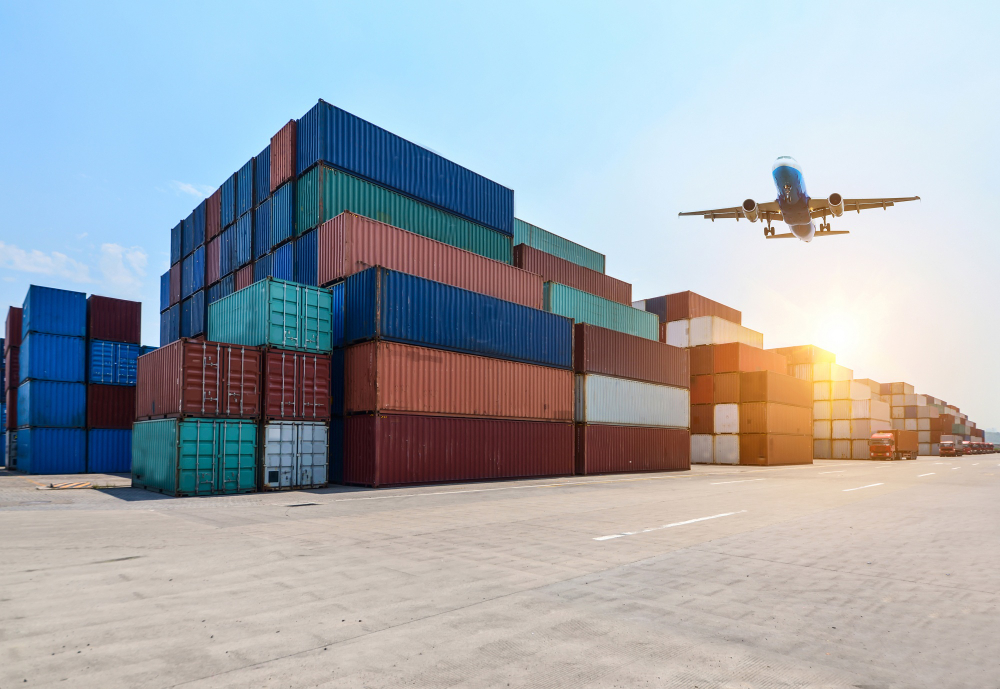

Almost every sector in today’s worldwide economic system depends on shipping for its survival including both manufacturing and e-commerce operations. Any business of all sizes from small organizations to large corporations, has observed how fuel costs immediately affect their transportation expenses. Shipper understanding about Diesel price impact on Shipping Agency in Dubai effects on transportation and how shipping fuel surcharges will operate in 2025 assumes critical importance in the year’s later half.
Why shipping fuel surcharge 2025
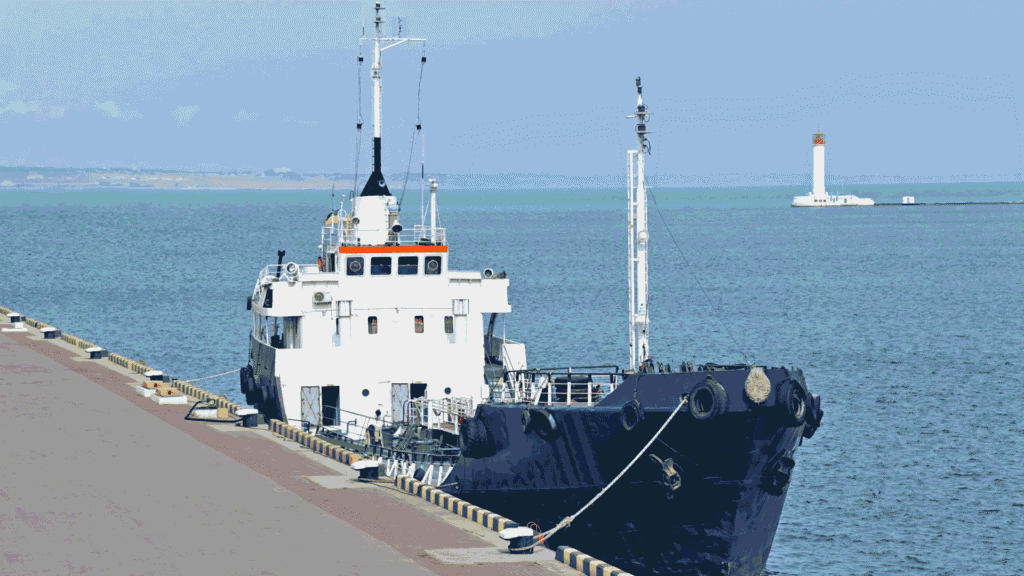
The price of diesel fuel varies because of tensions between countries, supply network issues, seasonal market needs, national regulations and fluctuations in global oil prices. All major transport methods that use diesel fuels as their main power source determine the actual cost of goods shipping between locations.
Minor variations in fuel costs generate chain reactions throughout every stage of logistics operations. The continuous fuel price swings compel shipping companies with their clients to implement fuel surcharge systems to manage rising costs.
The shipping fuel surcharge 2025 represents an extra fee for services connected to shipping operations that helps the carriers compensate for changing fuel costs.
The base Shipping Services in Dubai rate receives an additional price adjustment in form of a shipping fuel surcharge 2025 which assists transportation carriers to handle fuel price volatility.
Shipping companies establish an adjustable rate surcharge system that uses fuel price indices to determine variable surcharges performed at weekly or monthly intervals.
Current shipping fuel surcharges demonstrate unprecedented levels of dynamic and transparent behavior in the year 2025. The modern shipping industry provides immediate surcharge estimators allowing companies to understand fuel price effects on their financial results. Businesses use the shipping fuel surcharge 2025 as a strategic risk-management tool beyond basic cost transfer since it serves to protect against fuel market volatility.
The Diesel Price Impact on Shipping
The shipping and freight operations heavily depend on diesel energy as a key component. Trucks and heavy machinery along with ships become more costly to operate since diesel prices increase. Such price increases extend beyond transportation because shipping forms the basis for every industry that needs to move products through these channels.
These are the steps which define how rising diesel prices affect the shipping sector:
- The transportation industry uses trucks to deliver most last-mile cargo which causes their costs to increase. Higher diesel prices force trucking firms to increase their operations’ expenses leading them to implement elevated shipping fees and fuel surcharges for their customers.
- Carriers who operate the freight sector modify their basic pricing structure and surcharge guidelines toward selected Diesel price impact on shipping indexes. Companies use advanced technologies such as AI and predictive analytics in 2025 to make scientifically-based changes to their pricing that anticipate future expenses.
- Shippers raise their prices to consumers after extending higher transportation expenses to them. Retail prices rise because of elevated costs which causes spending volatility and inflation rates for consumers.
- Logistics companies implement advanced route optimization technologies and electro-hybrid fleets to minimize their diesel usage needs because fuel costs have risen.
Trends in Shipping Fuel Surcharge 2025
The shipping fuel surcharge 2025 functions as something more complex than the conventional percentage approach. Shipping carriers currently disclose exact break-downs of their surcharge rates according to shipment types and delivery distances and transport methods through air and ocean and ground transport. Some important developments within the shipping fuel surcharge 2025
Fuel price fluctuations in diesel have a major immediate impact on shipping costs so businesses operating in 2025 need to understand the relationship between price changes and logistics. Due to geopolitical tensions and climate events and seasonal demand and environmental regulations the dominant fuel type called diesel impacts the cost of goods transportation because it rules the truck and ship and freight operations. The upward trend of diesel costs forces shipping companies to activate shipping fuel surcharges that function as adaptable fees controlled by present diesel price metrics. The shipping fuel surcharge 2025 exists as a clearer data-based mechanism which many carriers implement through categorized fee structures and sustainability preference discounts along with contractual language that helps organizations budget for these extra expenses.
- Logistics providers now utilize tiers to sort fuel prices into predefined ranges; this practice simplifies shipment cost prediction for their clients.
- Shippers now reduce unpredictable price disputes through flexible surcharge rules that are now included in long-term shipping contracts as contractual clauses.
- Throughout their operations shipping clients receive energy-efficient shipping option incentives which include reduced fuel surcharges.
How to Manage Shipping Costs Amid Fuel Price Fluctuations
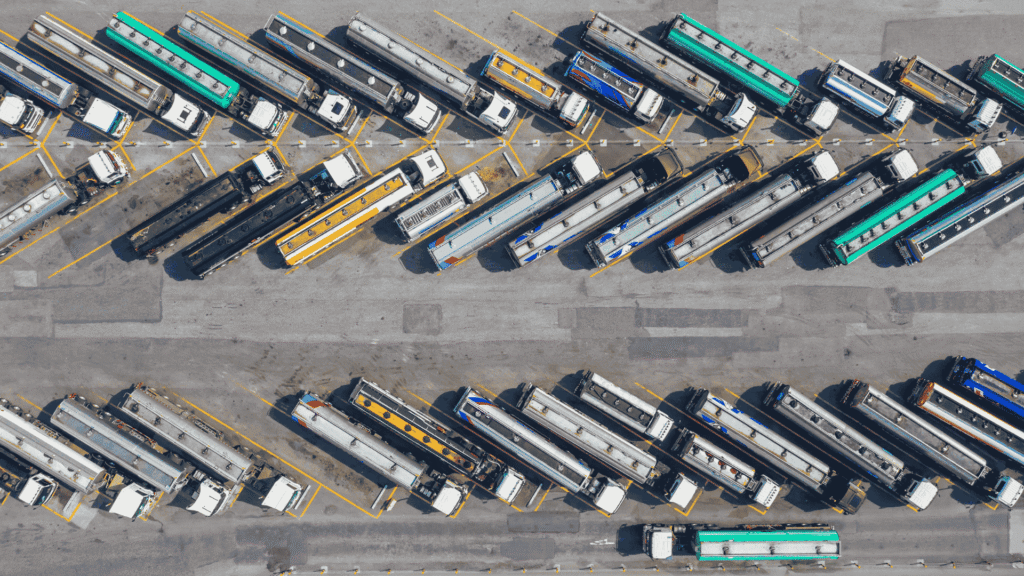
Shipping operations experience multiple effects from diesel price changes as these rising costs spread to trucking and shipping prices while increasing consumer expenses and driving firms to improve their sustainable logistics management. Companies now use AI routing platforms alongside hybrid electric vehicle purchases alongside software systems which predict upcoming fuel patterns. The role of environmental policies together with crude oil market dynamics on diesel prices is increasing globally thus making future projections challenging.
Local fuel and climate events including hurricanes or shortages in fuel supply generate specific price jumps in affected regions. Companies need to expand their shipping cost management beyond basic rate negotiations because they must actively track fuel price patterns while setting maximum price increases and partnering with multiple delivery providers and improving both product packaging and delivery quantity.
Companies can achieve minimal fuel costs in two ways: first with the help of telematics systems for fuel usage monitoring and second through alternative fuel alternatives combined with optimized delivery operations. 2025 fuel surcharges will act as a strategic instrument rather than simply passing operational expenses to the customer base.
- Companies cannot determine fuel rates but they can establish several cost-minimizing operational strategies to reduce shipping expenditures.
- Companies should establish fuel surcharge limits within their carrier contracts to protect against elevated expenses during price volatility.
- Using only a single carrier as a shipping partner creates restrictions in your market options. Having various shipping partners provides yours company the opportunity for rate comparisons and selecting the most affordable rates without time limitations.
- The combination of smaller packaging solutions alongside fully optimized truck load density will reduce the number of delivery trips thus cutting both fuel usage expenses and general expenditures.
- Create an investment in modern logistics software which provides real-time findings about fuel data together with analytical prediction capabilities to develop efficient transportation choices.
- Businesses need to keep track of both global and local diesel fuel prices. Knowledge of shipping-related diesel prices enables effective change forecasts which lead to speedy adjustments.
Conclusion
The logistics world must accept that fuel prices exhibit unavoidable changes. The understanding of shipping fuel surcharge 2025 and diesel price impact on shipping enables businesses to develop efficient cost management approaches.
The businesses that will be successful in 2025 will adopt data-based logistics strategies while prioritizing efficiency and establish rapid capabilities to adjust to fuel industry changes. Monitoring fuel market developments alongside proper shipping plan adjustment will enable both global distributors and local online retailers to achieve profitability and satisfied customers.