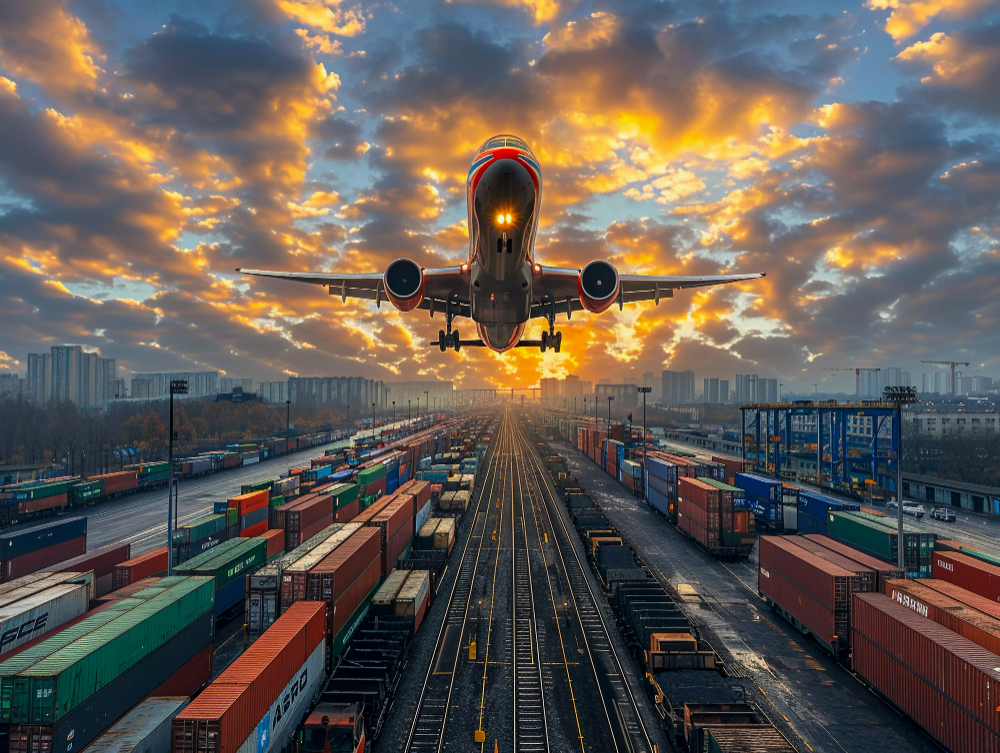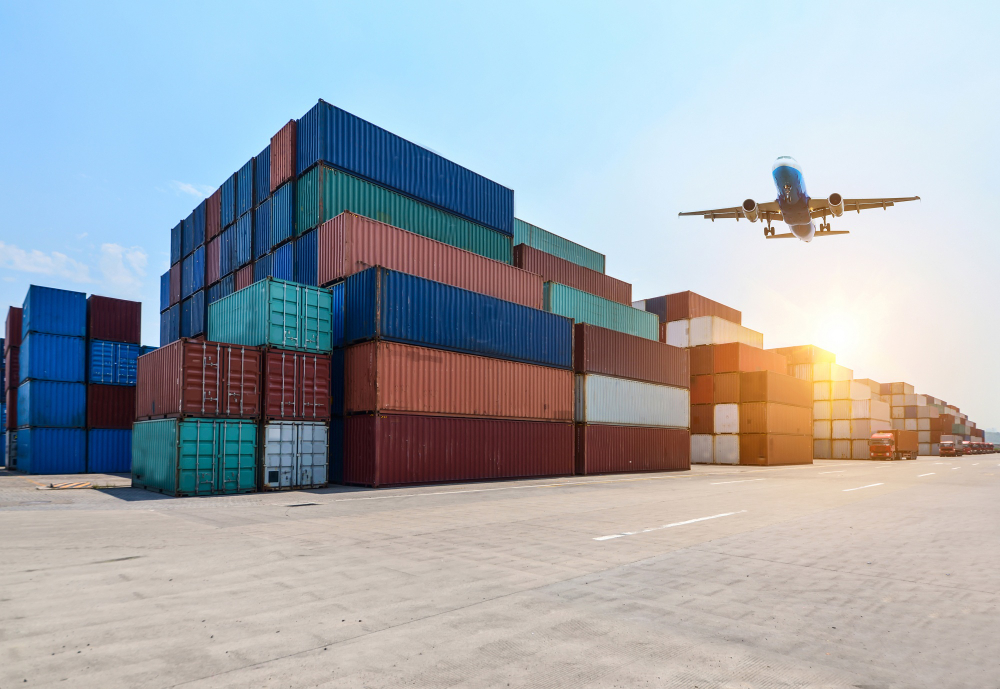
Since its establishment the shipping industry remains as the foundation of international trade while moving goods between distant territories. The seismic transformation of the industry occurs because demand rises for faster delivery together with more reliable service and cost-efficient logistics.
The industry transformation occurs because of AI improvements in logistics operations in addition to smart delivery systems being established. The innovative systems currently transform how global supply chains function because they bring operational efficiency benefits to them.
This blog examines artificial intelligence and automation’s transformative power on the shipping industry while discussing its main benefits as well as industrial difficulties for companies adopting this technological change.
The Role of AI in Logistics
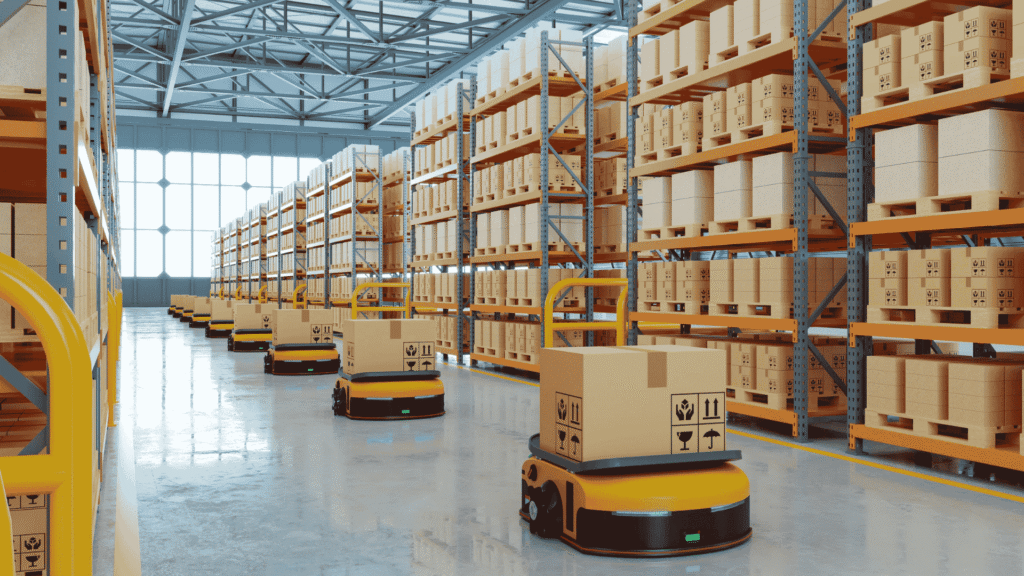
AI technologies being applied to multiple logistics operations is what constitutes AI in logistics. Through its capabilities the system optimizes routes, predicts customer demand and handles inventory along with live shipment tracking and equipment forecasted maintenance.
AI creates the most pivotal change for logistics operations through data-powered decision processes. The processing ability of AI in logistics algorithms enables the analysis of massive data volumes instantly which supports shipping companies to take better decisions at expedited speed. ML algorithms enable companies to anticipate delays because of weather or traffic conditions through predictions which leads them to take preventive actions or notify customers.
Warehouse automation receives enhancements through the implementation of robots and automated systems which carry out sorting, selecting and packaging tasks. The implementation of automation technologies decreases human mistakes while reducing labor expenses and raising operational speed. AI in logistics analytics systems help organizations spot supply chain problems and develop new opportunities for better performance.
Smart Delivery Systems: The Future of Shipping
Modern delivery systems establish fundamental changes to the movement of products between warehouses and end-users. The automated delivery processes use the combination of AI in logistics with IoT (Internet of Things) and GPS tracking along with autonomous vehicles and drones.
Among the major innovations of smart delivery systems stands the implementation of autonomous delivery vehicles. Amazon together with UPS dedicate significant resources to develop autonomous trucks and robotic delivery robots which operate independently from human operators. These robotic vehicles employ AI algorithms together with sensing capabilities to provide safe traffic navigation as well as it enables them to deliver packages efficiently.
The rising trend of drone delivery focuses on offering efficient package service to areas where reaching customers through traditional delivery methods is challenging. Transportation drones cut through normal traffic to deliver items within a few minutes thus achieving better customer satisfaction and expedited delivery.
These shifts include smart lockers as well as delivery scheduling systems controlled by AI algorithms. The mentioned tools enable customers to make better delivery window decisions and select suitable pickup spots thus decreasing failed deliveries and making carrier route management more efficient.
One major advantage of AI and automation in the shipping sector falls into two categories.
AI conjunction with automated delivery systems generates various advantages for shipping operations including:
1. Increased Efficiency
Automation decreases the requirement for human hands in operations which leads to faster delivery with higher accuracy levels. AI processes data instantly to enhance route optimization along with inventory management and delivery time optimization.
2. Cost Reduction
When used with AI and automation the operational expenses decrease substantially because they strengthen resource management while minimizing fuel expenditures and human errors in route planning.
3. Enhanced Customer Experience
Tracking systems provide customers with instant location updates and customized delivery choices through which users achieve higher shipment transparency leading to better satisfaction. Virtual assistants and chatbots backed by artificial intelligence systems provide companies with instant aid to their customers through automated services.
4. Sustainability
Smarter delivery frameworks establish optimized routes that help organizations minimize emissions together with reducing their fuel expenditures. The use of electric autonomous vehicles together with drones provides additional benefits toward creating an eco-friendly shipping system.
5. Improved Safety
Systems that use automation along with autonomous vehicles minimize the number of wrecks that occur due to human mistakes. Through AI-powered predictive maintenance tools businesses can identify mechanical failures before these develop into serious issues thus ensuring safety from end to end in their supply network.
Real-World Applications and Industry Leaders
Different businesses from multiple sectors are combining their efforts to use AI in logistics operations while implementing smart distribution networks.
The AI technology at DHL lets the company enhance parcel sorting operations while maximizing route planning performance. The exploration of drone and autonomous vehicle technologies for final delivery operations has also been conducted by these companies.
- Through AI analytics Maersk operates as one of the world’s leading shipping firms to improve vessel routes along with fuel optimization and decreased equipment breakdowns.
- The delivery logistics and warehouse automation of Amazon receive major investment support from AI technologies. Prime Air drone delivery serves as a major project for Amazon to achieve 30-minute parcel deliveries.
- The SameDay Bot serves as their robotic delivery system because FedEx developed this autonomous device to transport packages along sidewalks to customer locations.
Teamwork among pioneers demonstrates that intelligent shipping solutions exist at present.
Challenges to Overcome
The shipping industry faces several hurdles while trying to implement AI and automation even though the advantages are substantial.
1. High Initial Costs
Logistics firms especially those of average size find it hard to afford the necessary investments needed to put smart delivery systems and AI platforms into operation.
2. Data Security and Privacy
The deployment of AI through IoT technology results in the gathering as well as sharing massive amounts of information. The safety of this data requires strict attention in order to defend against cyber threats.
3. Regulatory Hurdles
The rules for operating autonomous vehicles and drones differ between countries and individual regions across the world. Businesses encounter extensive challenges when they handle various legal operational requirements.
4. Workforce Displacement
The introduction of automation technologies creates employment challenges because they eliminate positions which include driving, warehousing and customer service support fields. Innovation needs to be paired with employee skills improvement and reeducation strategies by businesses.
The Road Ahead
The shipping industry will thrive through its capability to both transform itself and develop new innovations. The continuing advancement of AI together with smart delivery systems will produce better efficiency outcomes while delivering increased sustainability and improved customer experience.
Success in this initiative depends on how prepared organizations are in managing their transformation process. The competitive edge for tomorrow depends on three crucial components: adopting digital-first thinking and installing qualified staff and training programs and collaborating with technology providers.
AI logistics systems and smart delivery solutions operate as transformative force which drives a fundamental change within international delivery operations. The shipping industry uses automation together with intelligent technology to create an intelligent faster and environment-friendly future.